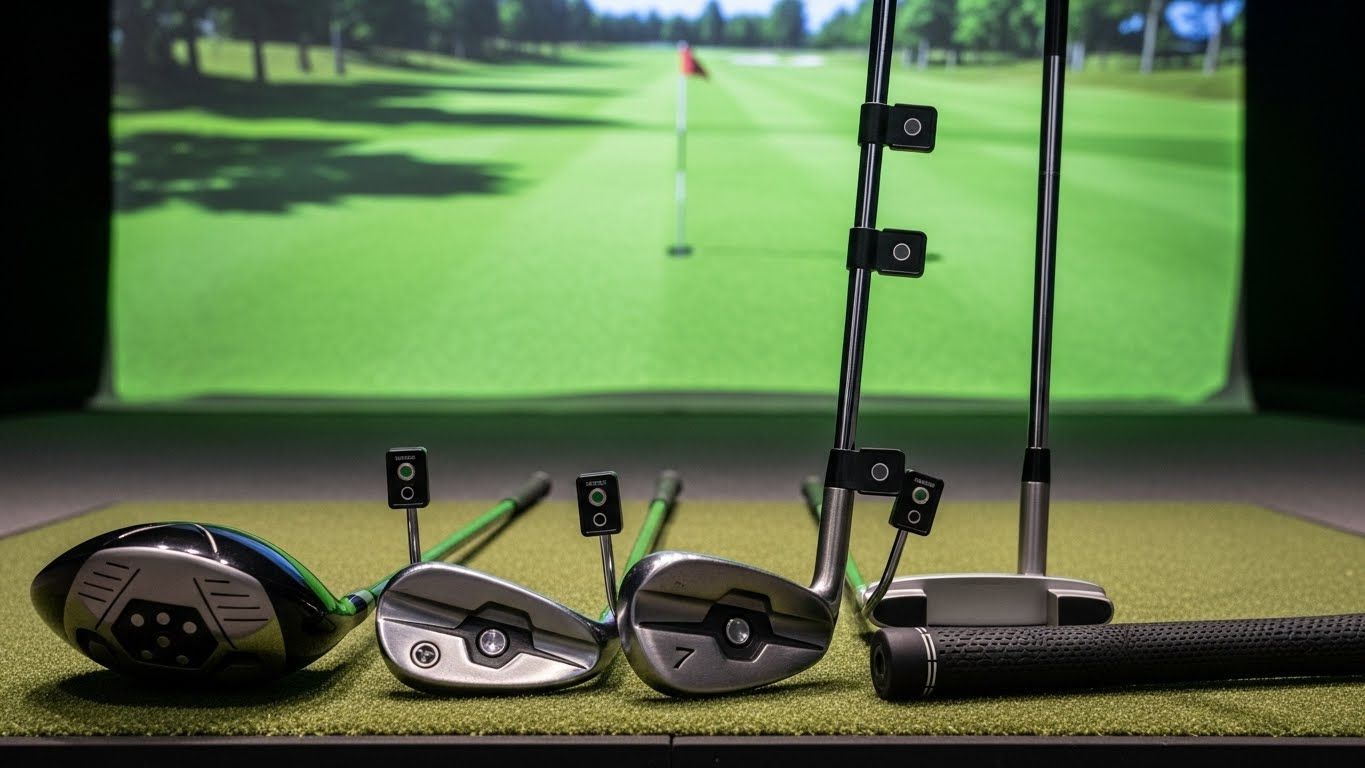
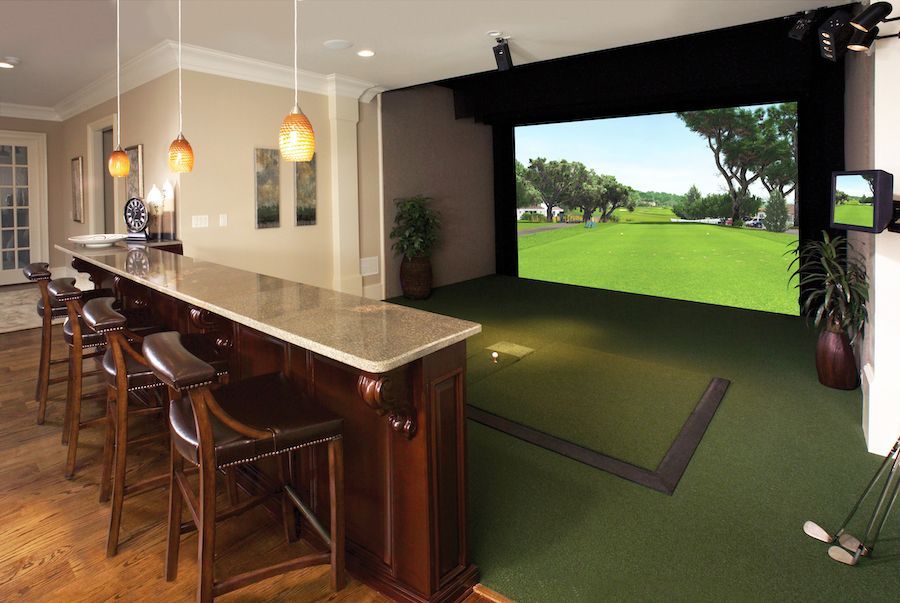
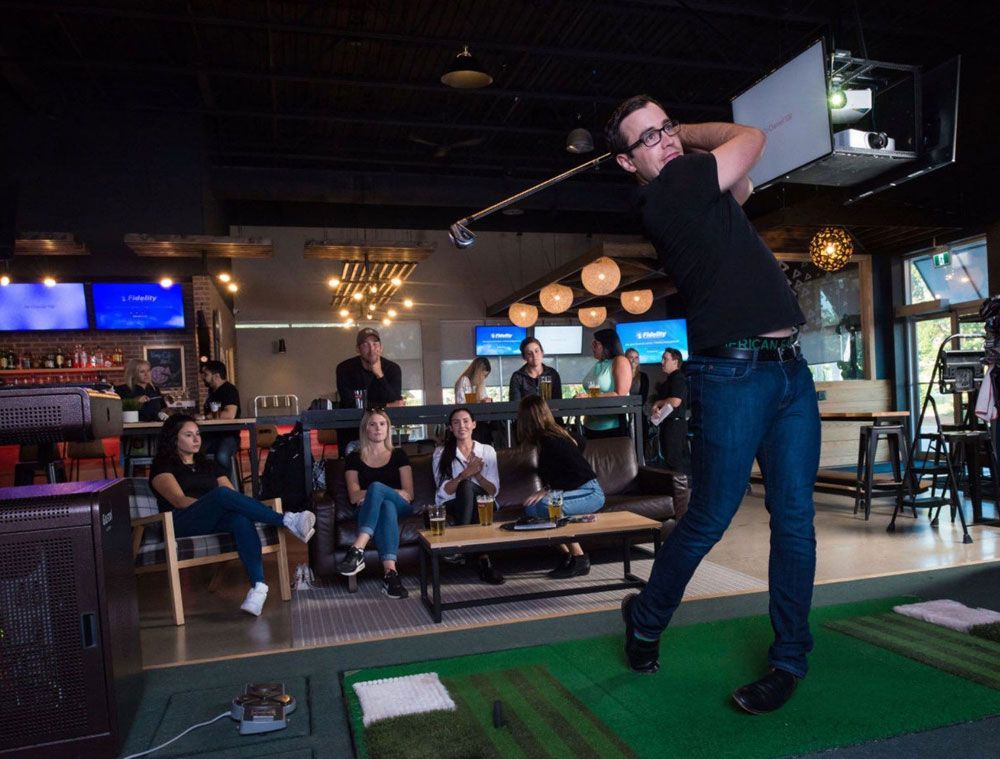
The technology side of indoor training is also genuinely impressive for development purposes. Modern launch monitors track everything in real time — ball speed, launch angle, spin rate, club path, face angle, attack angle. For a junior golfer who is still developing their mechanics, having instant objective data to work with is enormously valuable. Instead of a coach saying "I think your club face is a little open," they can say "your face is two degrees open at impact and your spin axis is 8 degrees tilted — here's what we're going to fix." That specificity accelerates learning and helps young players understand their own swing in a way that makes improvements stick.
Video analysis compounds this further. When a junior can watch their swing frame by frame right after hitting, and then compare it to a reference model or their last session two weeks ago, the feedback loop becomes extremely tight. Kids process visual information well, and seeing the change in their mechanics is more effective than simply being told about it.
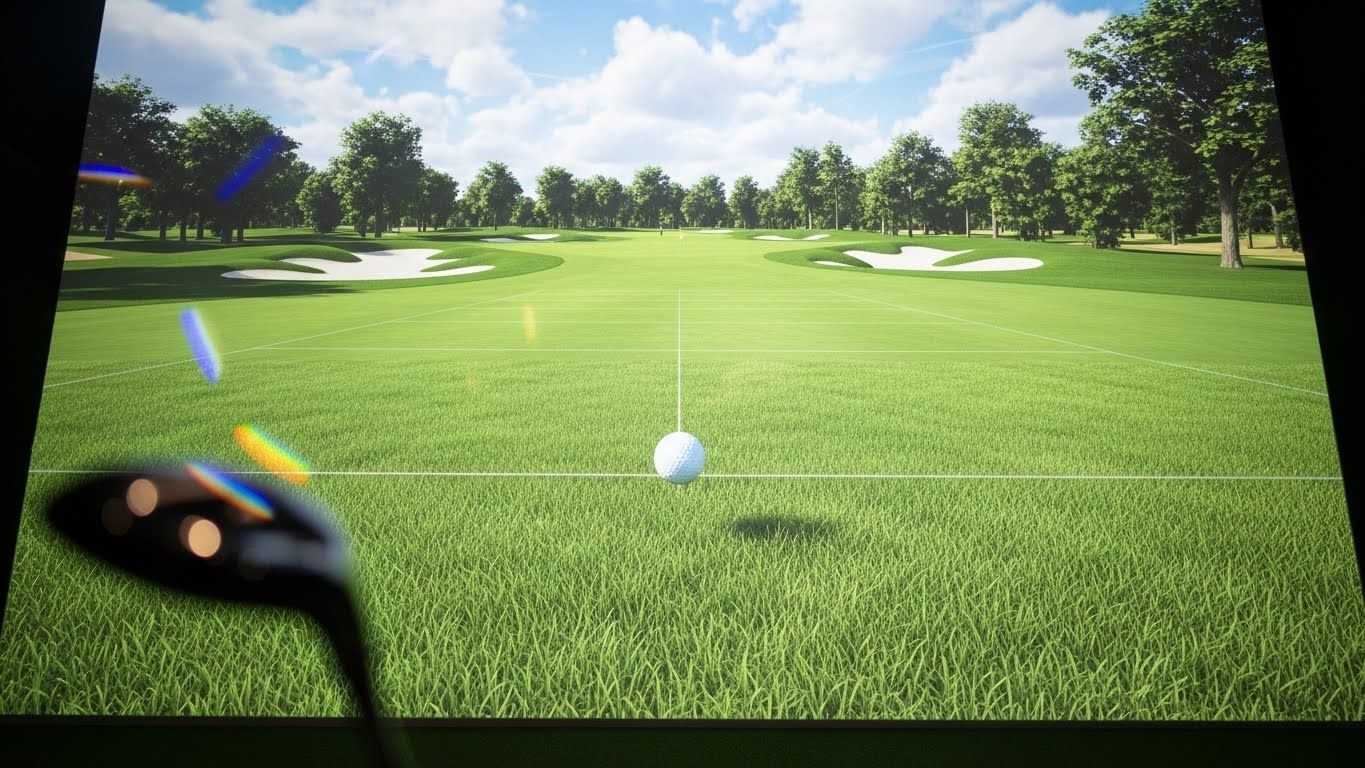
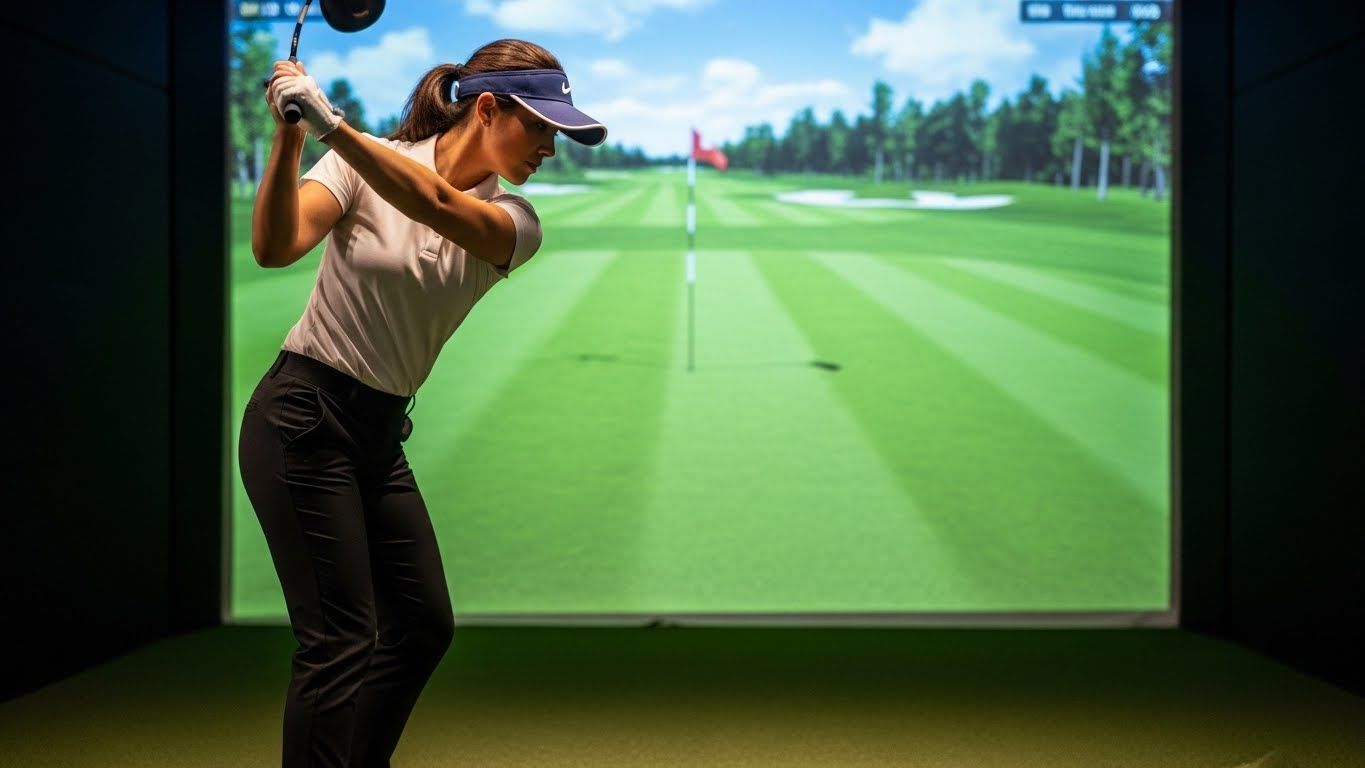
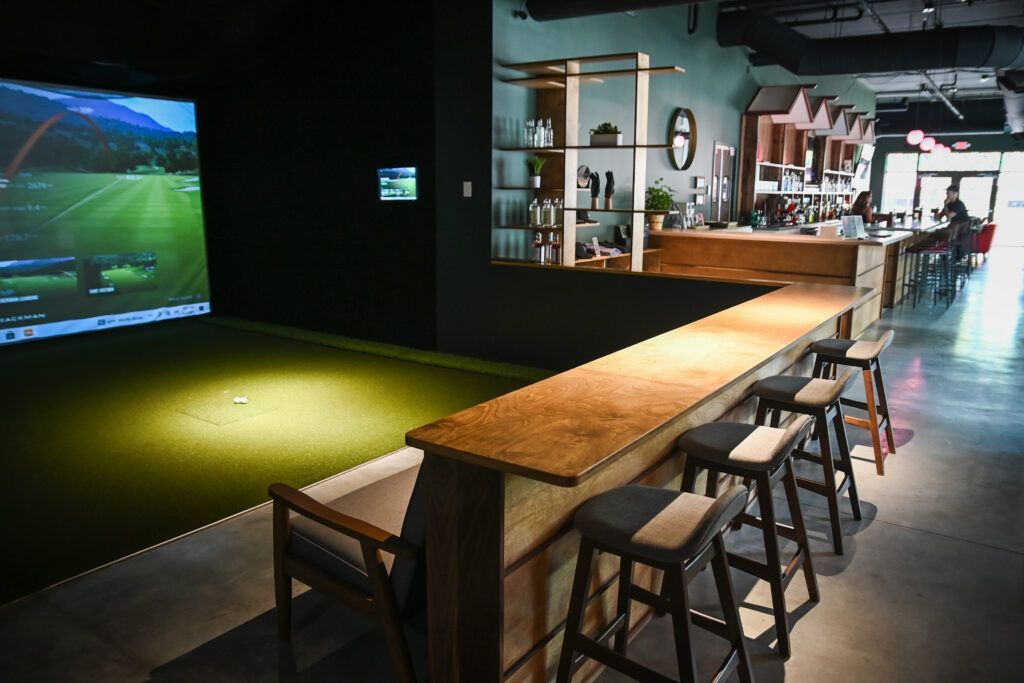
There's also a focus element that tends to surprise parents. An indoor bay removes almost every distraction that exists on an outdoor range — no wind to blame, no waiting for the bay to open up, no cold hands or glare, no watching what the kid two spots over is doing. The controlled environment means both coach and junior can lock in completely on the work at hand.
For juniors aiming at high school varsity, college golf, or beyond, the competitive landscape has shifted significantly. The players they'll be competing against are training year round — many of them through exactly these kinds of indoor programs. Indoor golf junior player development year round isn't an edge anymore for serious players; it's closer to baseline. A junior who takes three months completely off every winter is falling behind peers who don't.
That said, the best approach isn't indoor-only. Outdoor golf still teaches things that no simulator fully replicates — reading real wind, handling different lies, developing course management instincts, learning to perform under actual competitive pressure. The ideal setup uses indoor training as the technical foundation throughout the year and transitions to outdoor play and competition when conditions allow. Think of indoor as the gym and outdoor as the game.
What parents often find is that beyond the technical improvements, consistent indoor training keeps juniors engaged with the sport mentally through the off-season. When spring arrives and a young golfer has spent the winter working steadily rather than waiting around, they come out with confidence, maintained feel, and real mechanical progress to show for it. That combination of physical development and mental engagement is exactly what turns a casual junior player into a competitive one.
If your young golfer is taking the game seriously, don't let winter be dead time. Keep the reps going, keep the data flowing, and watch what twelve months of consistent development looks like compared to seven.