
If you live somewhere with a real winter, the case for indoor golf basically makes itself. Keeping your swing grooved through four months of frozen ground and short daylight is genuinely difficult if you're only hitting balls into a net in your garage. A quality simulator gives you full shot feedback — carry distance, ball speed, spin rate, launch angle — plus the ability to play actual courses and work through every club in your bag. For a mid-to-high handicapper who plays regularly, that kind of consistent practice through the off-season translates into real improvement by the time spring arrives. You don't lose what you built the previous season. That alone is a compelling reason to take the question of whether indoor golf is worth it seriously.
Is Indoor Golf Worth It? What Beginners and Serious Golfers Both Get Out of It
The honest answer to whether indoor golf is worth it depends almost entirely on what you're hoping to get out of it — and being clear on that upfront saves you from either dismissing it too quickly or expecting something it can't deliver.
Why Serious Golfers Are Building Indoor Simulators (And What to Know Before You Do)
Get a Free Quote
Contact Us
Full Golf Simulator Setup – Done Right
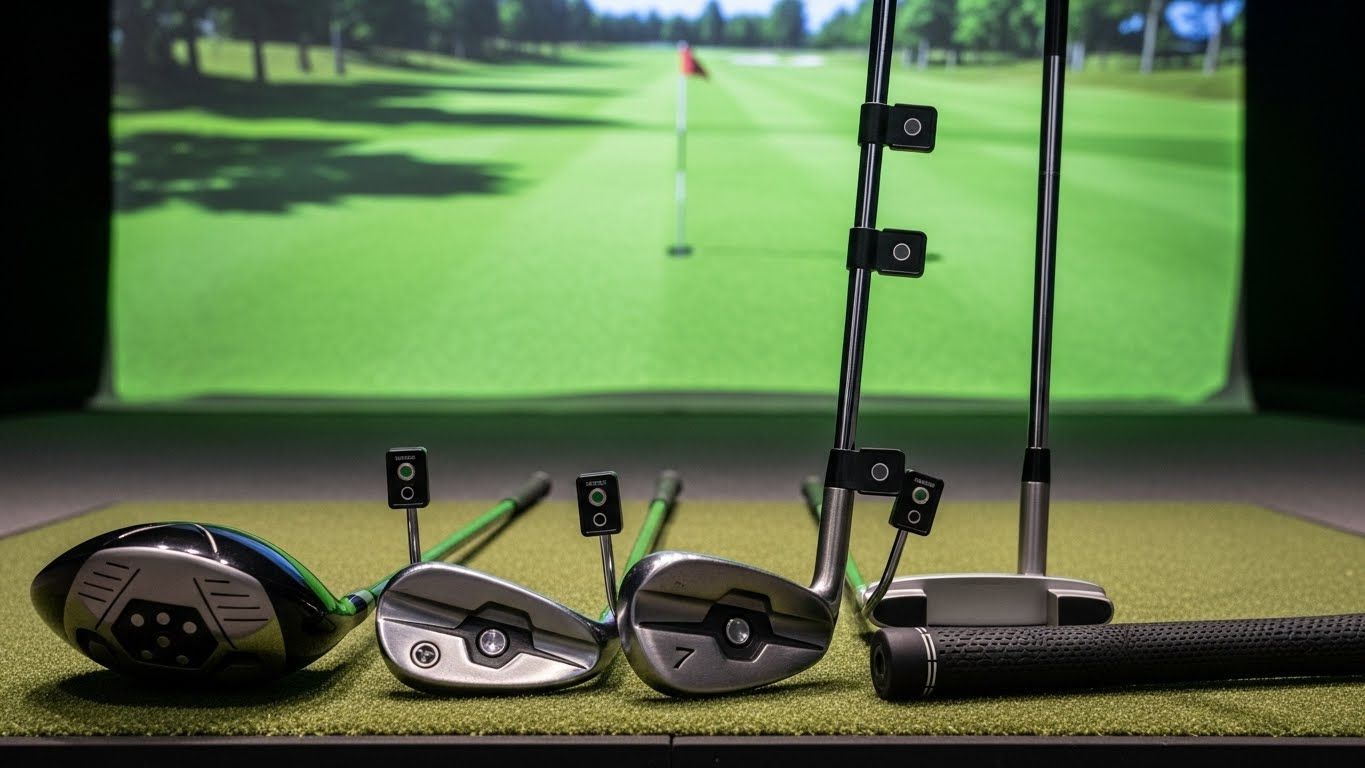
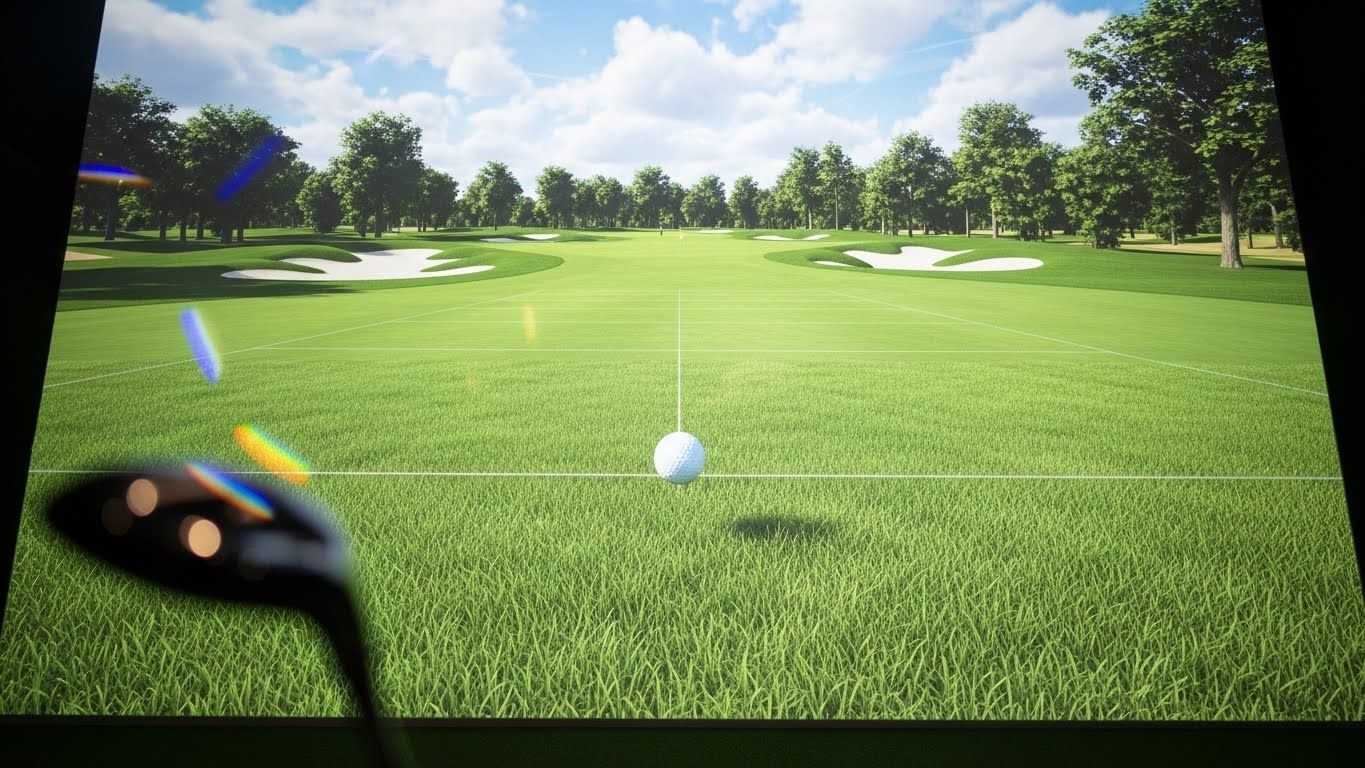
The technology has also gotten genuinely good over the last several years. The better simulators — Trackman, Foresight, Full Swing — use radar or photometric cameras to capture the ball and club data with impressive accuracy. The course graphics aren't quite the same as standing on a real fairway, but they're detailed enough that you're making real strategic decisions: reading slopes, choosing clubs based on elevation change, shaping shots around simulated trees. It's not a video game. If you're using it intentionally, it's practice with feedback, which is more than most people get on a driving range where they're just beating balls without tracking anything.
Where people tend to get disappointed is when they treat indoor golf as a direct substitute for the real thing rather than a complement to it. The feel of a simulator mat versus real turf is different. You don't get the wind, the uneven lies, the mental challenge of standing over a shot with actual stakes. Some people also find that the enclosed environment makes it harder to dial in their distance control on shorter shots — simulator greens respond differently than real ones. So if you go in thinking it'll fully replace outdoor rounds, you'll notice the gaps. If you go in thinking it's a training tool and a way to keep playing through conditions that won't allow for the real thing, you'll get a lot out of it.
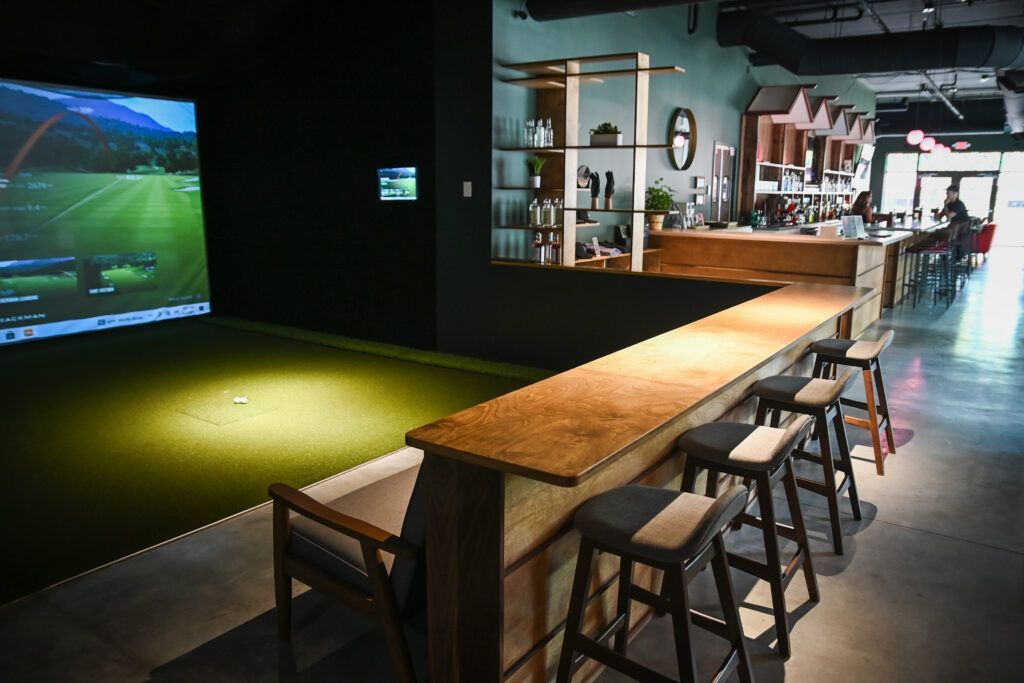
The cost question matters too, and it varies a lot depending on whether you're talking about a home setup or a pay-by-the-hour simulator venue. A home simulator done properly — good launch monitor, quality screen and projector, proper hitting mat — runs anywhere from a few thousand dollars on the low end to well over twenty thousand for a premium setup. That's a significant investment, and it only makes sense if you're genuinely passionate about the game and will use it consistently. The hourly venues are a much lower-commitment way to find out if it clicks for you. Most run somewhere between $30 and $60 an hour depending on the market, and a lot of them have decent food and drink setups, which makes it a social outing as much as a practice session.
For juniors and developing players, indoor golf is particularly valuable. Getting quality repetitions with instant feedback during the months when outdoor practice isn't feasible accelerates improvement in a way that's hard to replicate otherwise. A junior who puts in serious simulator time over winter often comes out the other side with noticeably better ball-striking — the data doesn't lie, and young players tend to respond well to seeing the numbers.
So is indoor golf worth it? For someone who plays regularly, takes improvement seriously, and lives somewhere where weather limits the season — yes, pretty clearly. For someone who plays a handful of rounds a year mostly for the social side of it, the investment probably doesn't make as much sense. The sweet spot is the committed recreational golfer who wants to keep getting better and doesn't want three or four months of inactivity undoing the progress they made. For that person, indoor golf isn't just worth it — it becomes a pretty natural part of how they approach the game year-round.
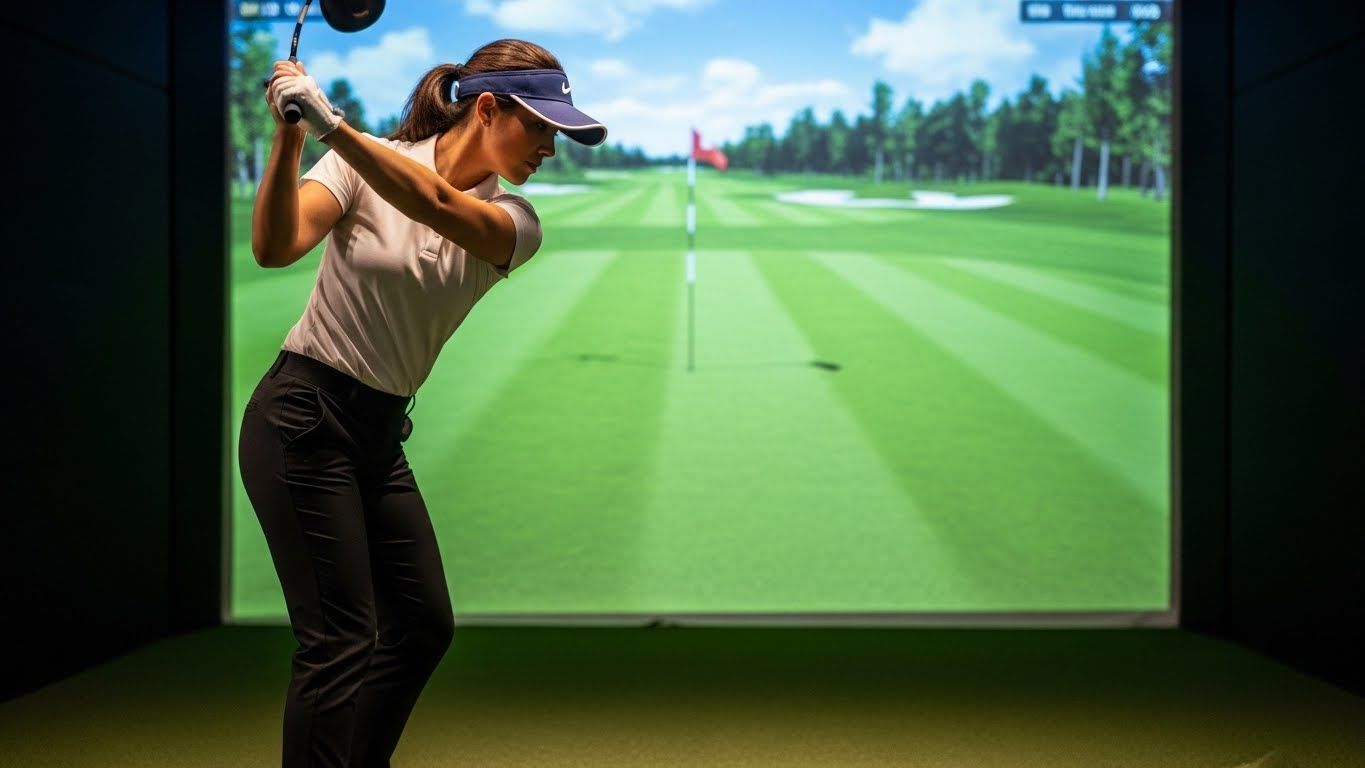
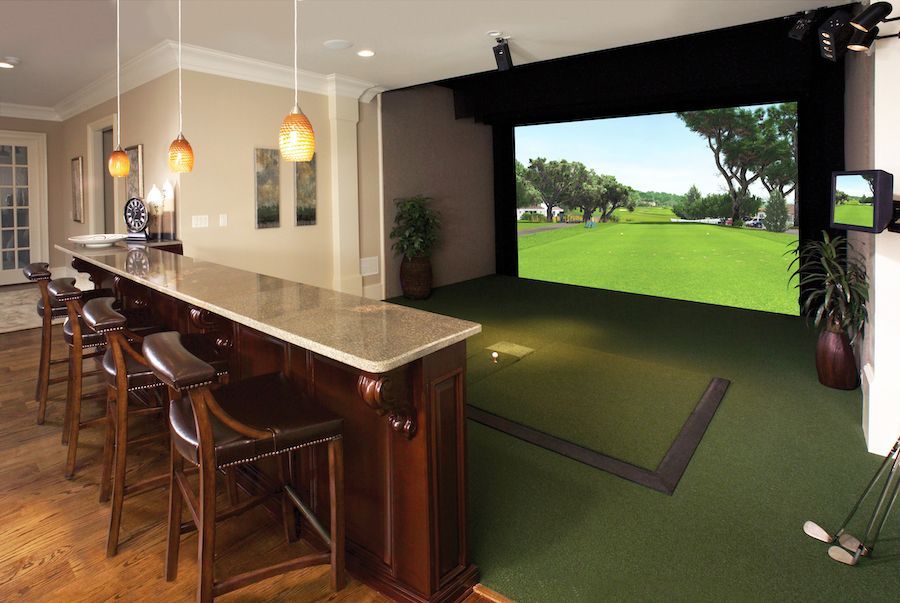

The honest case against a simulator setup is mostly financial and spatial — it's a meaningful investment, and not everyone has the space. But for golfers who are serious about their game and tired of losing nearly half the year to weather, the combination of unlimited practice reps, immediate feedback, and the ability to play any course in the world from a garage makes indoor golf simulation one of the better investments in the sport. The seasons stop mattering, the range trips stop being necessary, and the improvement that only comes from consistent, focused practice becomes available year-round for the first time.