How Indoor Golf Simulators Are Changing the Way People Practice Year Round

The math is pretty simple once you lay it out. If you live anywhere north of roughly the Mason-Dixon line, you're losing four to five months of outdoor golf every year to weather. Add in work schedules, short winter daylight, and the general friction of getting to a course or even a driving range, and the average golfer in a cold climate is lucky to hit balls consistently more than six months out of the year. An indoor golf simulator changes that equation completely — and for golfers who actually want to improve rather than just maintain, year-round practice access is genuinely transformative.

Our Services →

Why Serious Golfers Are Building Indoor Simulators (And What to Know Before You Do)

Picture of Golf Clubs

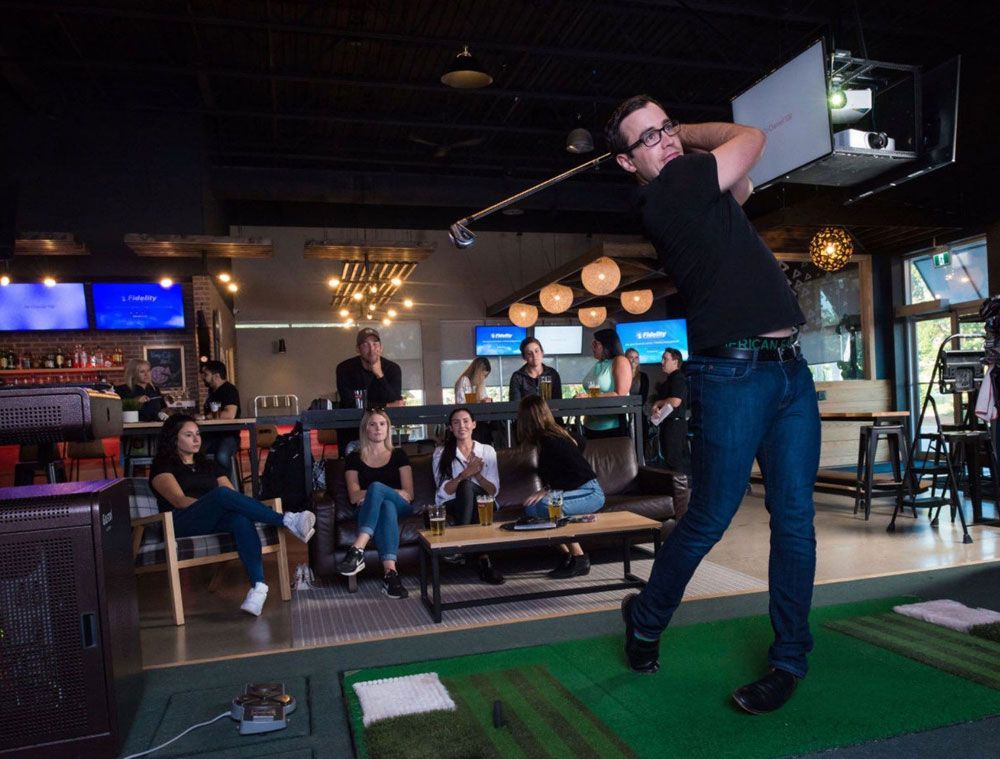
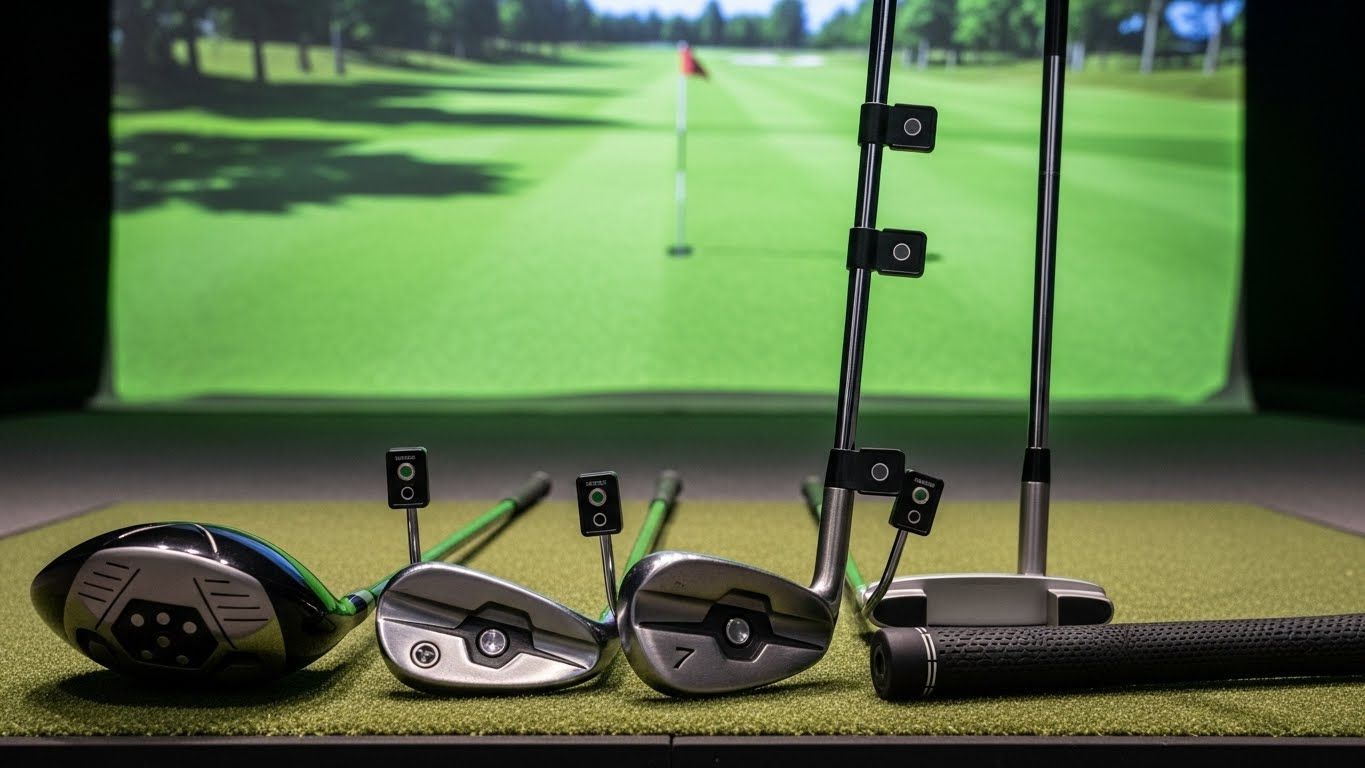
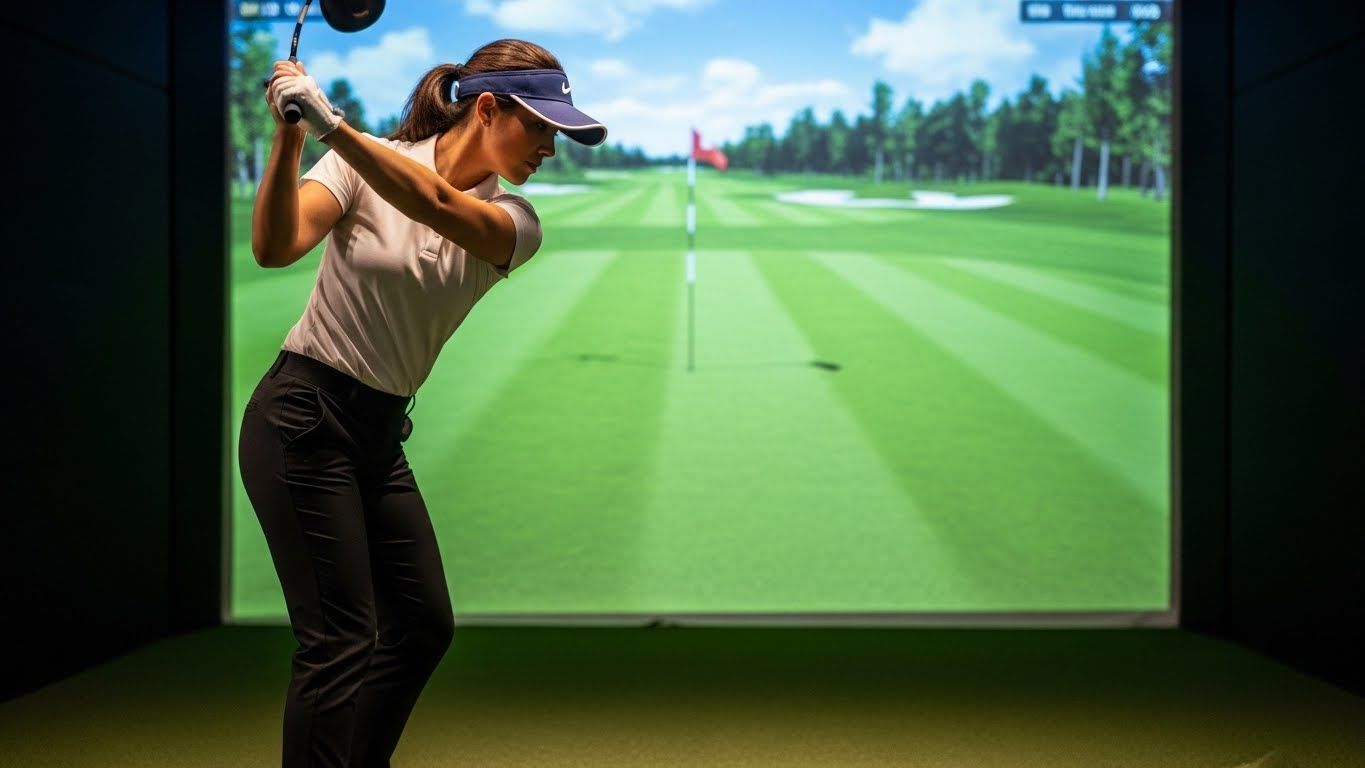
The technology has gotten good enough that the gap between simulator golf and real golf is smaller than most skeptics expect. Launch monitors — the sensors that track ball and club data — are now accurate enough to be used by tour professionals for serious fitting and practice. Systems like Trackman, Foresight, and Uneekor measure club speed, ball speed, launch angle, spin rate, and shot shape with precision that a range bucket and a shag bag simply can't match. You get immediate, objective feedback on every swing, which is how practice actually produces improvement rather than just reinforcing existing habits.


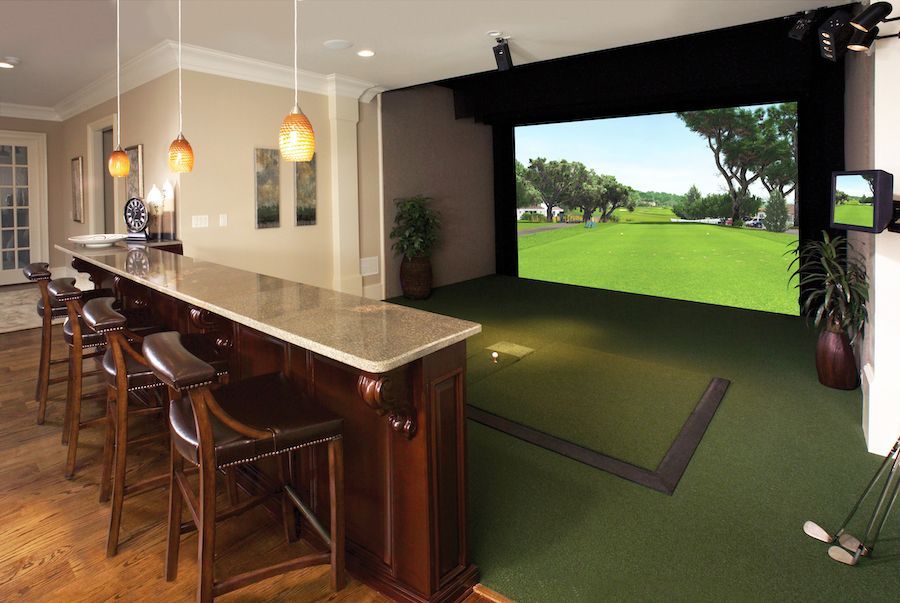
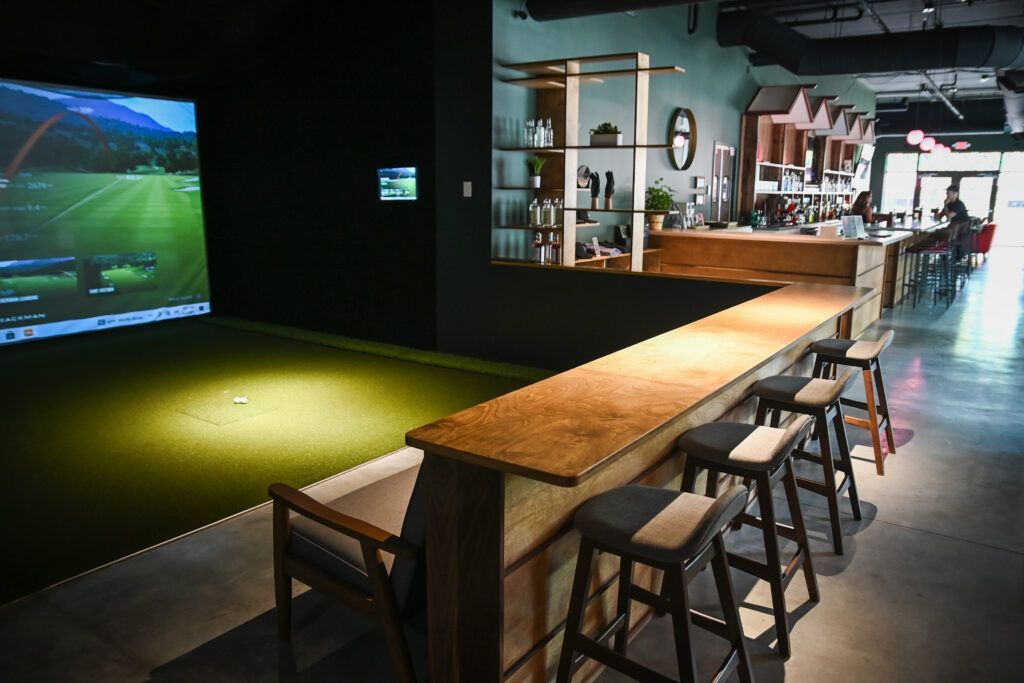
The space and budget questions are where most people start, and they're the right place to start. A functional indoor golf simulator for year round practice doesn't require a dedicated ballroom — a single-car garage bay works for most people. The minimum meaningful dimensions are roughly 10 feet wide, 10 feet tall, and 15 feet deep, though 18 to 20 feet of depth gives you better sight lines and more room to swing freely. Ceiling height is the constraint that eliminates the most spaces, especially for taller golfers with upright swings. Measure with your driver in your address position before you commit to a space.
estimated_quoteArtboard 3

Get a Free Quote

Contact Us


Full Golf Simulator Setup – Done Right


Budget ranges are wide, and this is an area where the difference between tiers is real and meaningful. Entry-level systems using camera-based launch monitors like the Garmin Approach R10 or Rapsodo MLM2PRO run $700 to $1,500 for the technology, plus the cost of a hitting mat, net, and impact screen if you want a projected image. These are legitimate practice tools but have accuracy limitations compared to photometric or radar-based systems. Mid-tier setups using a Foresight GC3 or similar launch monitor land in the $5,000 to $15,000 range with all components included. High-end installations with Trackman or Uneekor systems, quality screens, projectors, and proper enclosures run $20,000 to $50,000 or more. The simulation software — where courses are rendered and played — typically adds a subscription cost of $200 to $500 per year regardless of hardware tier.


What makes an indoor golf simulator setup genuinely useful for year round practice rather than just entertaining is how you use it. The data is only valuable if you're doing something with it. The best simulators show you exactly what your club path is doing, where the face is at impact, and how spin rates are affecting ball flight — information that makes a lesson with a good instructor dramatically more productive because you're bringing real data rather than memory and guesswork. Some golfers use the course simulation mostly for fun and treat the practice range mode as their actual training environment, which is probably the right priority if improvement is the goal.


The hitting mat deserves more attention than it usually gets. A poor-quality mat gives misleading feedback — it's bouncy and forgiving in ways real turf isn't, which means fat shots feel cleaner than they are. Better mats like those from TrueStrike or Fiberbuilt have a divot-like give that more honestly represents ground interaction. It's a detail that matters more over time as you log serious hours.


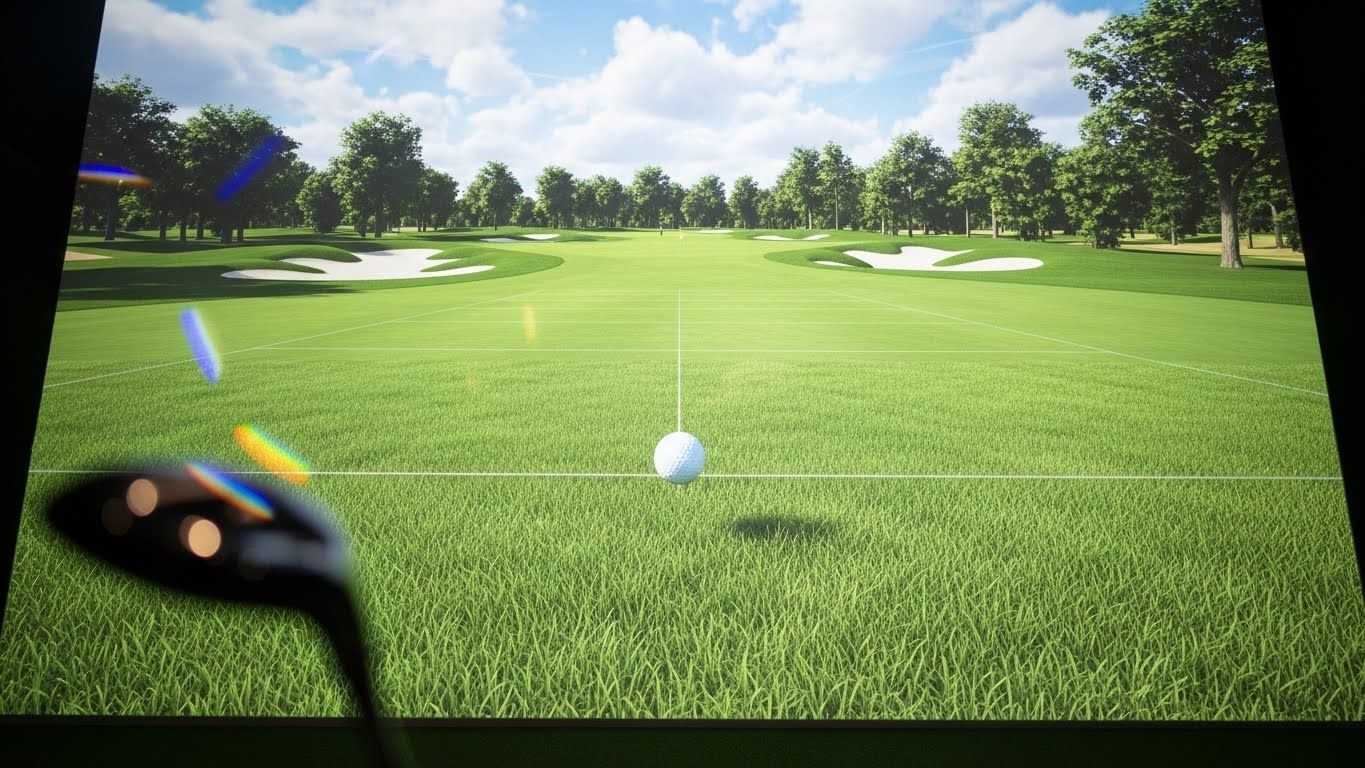
One underappreciated benefit of an indoor simulator for year round practice is what it does for mental familiarity with courses. Playing Augusta, Pebble Beach, or whatever course you're heading to next month repeatedly in simulation genuinely helps — you learn distances, tendencies, and course management strategies that translate even though the conditions aren't identical. Tour players use simulators for exactly this kind of preparation.

The honest case against a simulator setup is mostly financial and spatial — it's a meaningful investment, and not everyone has the space. But for golfers who are serious about their game and tired of losing nearly half the year to weather, the combination of unlimited practice reps, immediate feedback, and the ability to play any course in the world from a garage makes indoor golf simulation one of the better investments in the sport. The seasons stop mattering, the range trips stop being necessary, and the improvement that only comes from consistent, focused practice becomes available year-round for the first time.

Des Moines Indoor Golf Installation Near Me?

Waterbury, IA
Salisbury Oaks, IA
Waveland Park, IA
Southwestern Hills, IA
Meredith, IA
Linden Heights, IA
Valley High Manor, IA
Ingersoll Park, IA

Beaverdale, IA
Greenwood, IA
Urbandale, IA
Clive, IA
Van Meter, IA
Polk City, IA
Granger, IA
Bondurant, IA